
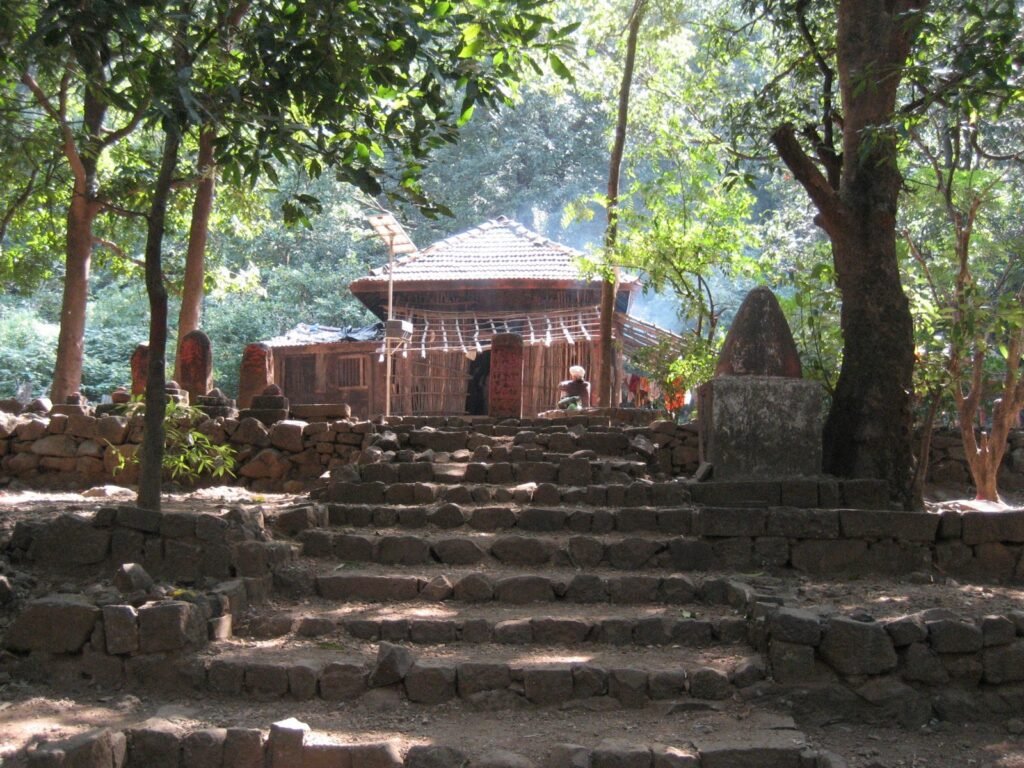
Ajoba Parvat: The Mysterious Mountain of Maharashtra
Introduction
Ajoba Parvat, also known as Ajoba Hill, is one of the most mystical and spiritually significant mountains nestled in the Sahyadri mountain range of Maharashtra, India. Rich with mythology, natural beauty, and adventure, this hill is a destination that fascinates trekkers, nature lovers, and spiritual seekers alike. Located near the village of Dehene in Shahapur taluka, Thane district, Ajoba Parvat is surrounded by dense forests, waterfalls, ancient caves, and legends tied to the great Indian epic—the Ramayana.
This article will explore the historical, mythological, spiritual, and geographical aspects of Ajoba Parvat. It will also provide a complete guide to trekking, nearby attractions, flora and fauna, local folklore, and practical travel tips for visitors.
- Location and Accessibility
Ajoba Parvat is located in the western part of Maharashtra, in the Thane district, close to the border of Nashik. It lies within the Kalsubai Harishchandragad Wildlife Sanctuary and is a part of the mighty Western Ghats. The closest base villages for trekking to Ajoba are Dehene and Khodkona.
How to Reach:
By Road: Ajoba Parvat is about 130 km from Mumbai and 100 km from Nashik. One can reach Dehene village via Shahapur or via Dolkhamb by private vehicle or state transport buses.
By Rail: The nearest railway stations are Asangaon and Kasara on the Central Railway line.
By Air: The nearest airport is in Mumbai.
From the base village, the trek to the hill begins on foot.
- Mythological Significance
Ajoba Parvat holds a deep-rooted connection with the Ramayana. According to local legends:
Ahalya and Sage Valmiki: After Sita’s abduction by Ravana, she was believed to have taken refuge on this hill. Rishi Valmiki, the author of the Ramayana, is said to have lived in the forest caves of Ajoba Parvat.
Birthplace of Luv and Kush: It is believed that Sita gave birth to her twin sons—Luv and Kush—here. Valmiki raised them and taught them warfare, archery, and scriptures in this serene forest.
Valmiki Ashram: There is an ancient cave on the mountain known as “Valmiki Ashram.” A sacred imprint of Lord Rama’s feet (Ram Paduka) is etched on the rocks near this cave.
These mythological tales draw many spiritual seekers who visit Ajoba for inner peace and connection to ancient heritage.
- Trekking Experience
Ajoba Parvat is renowned as one of the most scenic and challenging treks in the Sahyadris. The trek is moderately difficult but immensely rewarding with waterfalls, dense greenery, and spiritual silence.
Trek Routes:
There are two main routes:
- Via Dehene Village:
This route leads to Valmiki Ashram and Luv-Kush caves.
The trek through dense forest takes 2.5 to 3 hours.
There’s a small waterfall and stream near the cave area.
- Via Khodkona Village:
This route leads to the Summit.
Steeper and less frequently used, this route is suitable for experienced trekkers.
Offers panoramic views from the top.
Highlights of the Trek:
Sacred caves of Valmiki and footprints of Lord Rama.
Waterfalls and streams en route, especially in the monsoon.
Luv-Kush caves, with simple rock-cut architecture.
Bird calls, butterfly sightings, and untouched forest life.
Sunrise and Sunset Views from the summit.
Best Time to Visit:
Monsoon (June to September): Lush green beauty, streams, and waterfalls are at their best.
Winter (October to February): Cool weather and clear skies make for the best trekking experience.
- Flora and Fauna
Ajoba Parvat is part of the Western Ghats, a UNESCO World Heritage Site and one of the eight “hottest hotspots” of biological diversity in the world.
Flora:
Dense tropical and subtropical forest
Medicinal plants and herbs
Wild bamboo, teak, and mango trees
Colorful flowering plants during spring and monsoon
Fauna:
Birds: Indian paradise flycatcher, Malabar whistling thrush, peacocks
Animals: Monkeys, barking deer, wild boar, sometimes leopards
Insects: Vibrant butterflies and rare beetles
Bird watchers and naturalists often visit Ajoba for its biodiversity.
- Cultural and Spiritual Importance
Local villagers believe that Ajoba is a place of divine presence. Many pilgrims, especially during religious festivals, trek to the Valmiki Ashram to offer prayers and meditate.
Festivals and Rituals:
Ram Navami and Dussehra are celebrated with small processions and rituals.
Devotees chant the Ramayana in Valmiki caves.
Spiritual seekers meditate in these caves, believing the energy of the sages still resides in the stones and winds of Ajoba.
- Tips for Trekkers
Here are some essential tips for those planning to trek Ajoba Parvat:
Hire a local guide, especially for the summit trek or Luv-Kush caves, as the trail is not clearly marked.
Wear comfortable trekking shoes with grip.
Carry at least 2 liters of water, snacks, and a first-aid kit.
Avoid monsoon storms, and begin early to return before dark.
Do not litter; carry your waste back.
Overnight camping is possible near the Ashram, but you must bring tents and supplies.
Avoid solo trekking—always go in groups.
- Surrounding Attractions
While visiting Ajoba Parvat, one can explore several nearby attractions:
Harishchandragad Fort – A historical and scenic trek spot
Malshej Ghat – Famous for misty mountain roads and waterfalls
Kalsubai Peak – The highest peak in Maharashtra
Bhandardara – Known for Arthur Lake, Umbrella Falls, and Randha Falls
Sandhan Valley – A canyoning adventure for the brave-hearted
These places together can form a week-long nature and adventure tour.
- Local Lifestyle and Hospitality
The base villages, such as Dehene, are home to tribal communities like the Thakars and Mahadeo Kolis. These villagers are known for their simplicity and hospitality.
Visitors can opt for homestays, where they experience authentic local cuisine, including:
Bhakri (jowar or rice roti)
Thecha (green chili chutney)
Pithla (gram flour curry)
Local rice and pulses
Many homestays also arrange local guides for trekking and storytelling sessions about Ajoba’s legends.
- Conservation and Responsibility
As Ajoba lies within an ecologically sensitive zone, it’s crucial to follow sustainable travel practices:
Do not pluck plants or disturb animals
Avoid plastic and non-biodegradable materials
Respect local traditions and people
Support local businesses and guides
The Maharashtra Forest Department and NGOs conduct awareness drives and clean-up campaigns in the region.
- Conclusion
Ajoba Parvat is more than just a trek—it is a journey through time, nature, mythology, and self-discovery. Whether you are looking to test your endurance on a rugged trail, seeking solace in sacred caves, or wanting to immerse yourself in pristine wilderness, Ajoba welcomes all with open arms.
With every step on its soil, you walk through stories older than history, and with every breath in its forest, you feel a deeper connection to the spirit of nature.